





Building exterior window shading
2024-06-29

In summer, the air conditioning load entering the room through windows mainly comes from solar radiation, and the main energy consumption also comes from solar radiation. To reduce the load and energy consumption of the outer window, effective shading measures must be taken, and the effect of reducing air penetration or reducing heat transfer coefficient is very limited. Therefore, the calculation of shading is very important in the calculation of load and building energy saving of air-conditioned buildings.
Building shading is more complex, including the building outside shading, window shading facilities, building shading and so on. These shading measures can have a good effect, can meet the needs of shading.
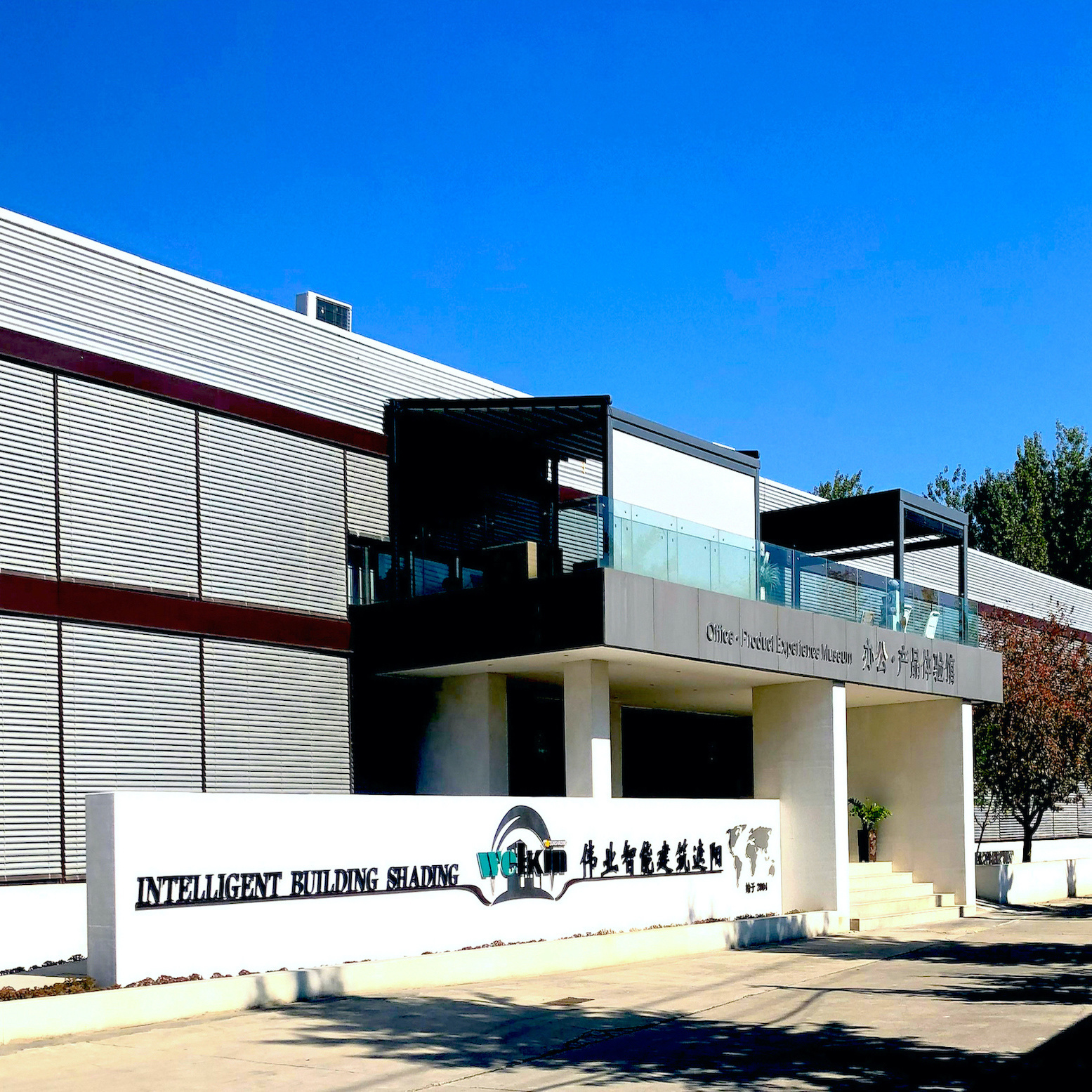
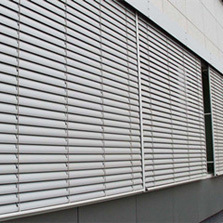
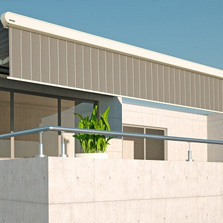
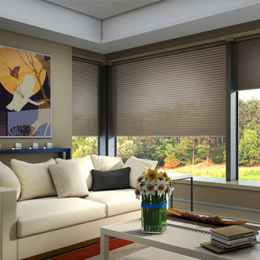
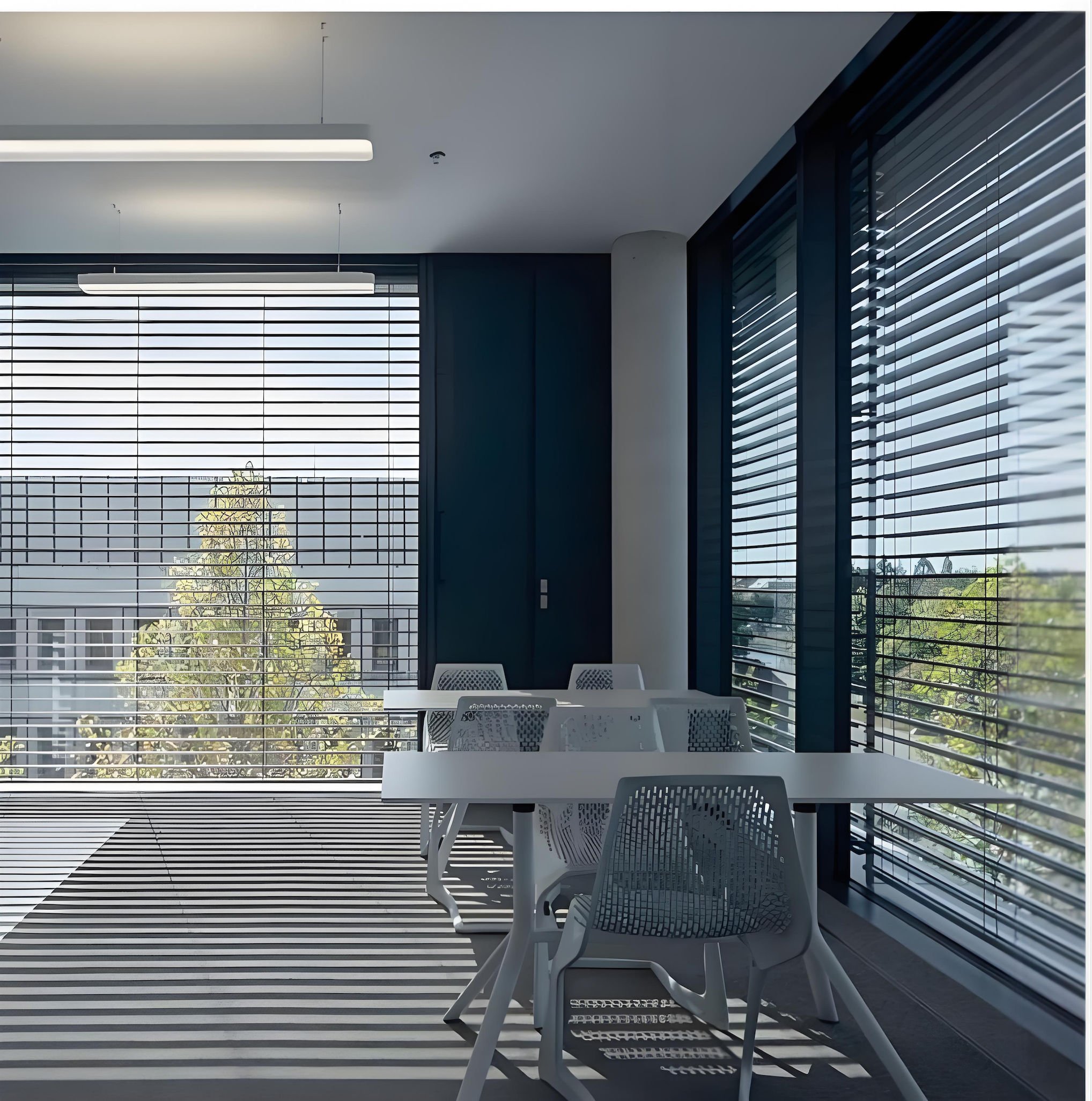
The external shading of the building is a very effective shading measure. It can be a permanent building shading structure, such as sun visors, sun visors, eaves, etc.; it can also be detachable, such as louvers, movable baffles, grilles, etc. The use of these shading structures in traditional buildings is common.
Reducing the shading coefficient of the glass is also a very effective measure. With the development of glass coating technology, glass has been able to select the incident sunlight, the visible light into the room, and will increase the load and energy consumption of infrared reflection. Glass system shading has become one of the most important means of shading in modern buildings.
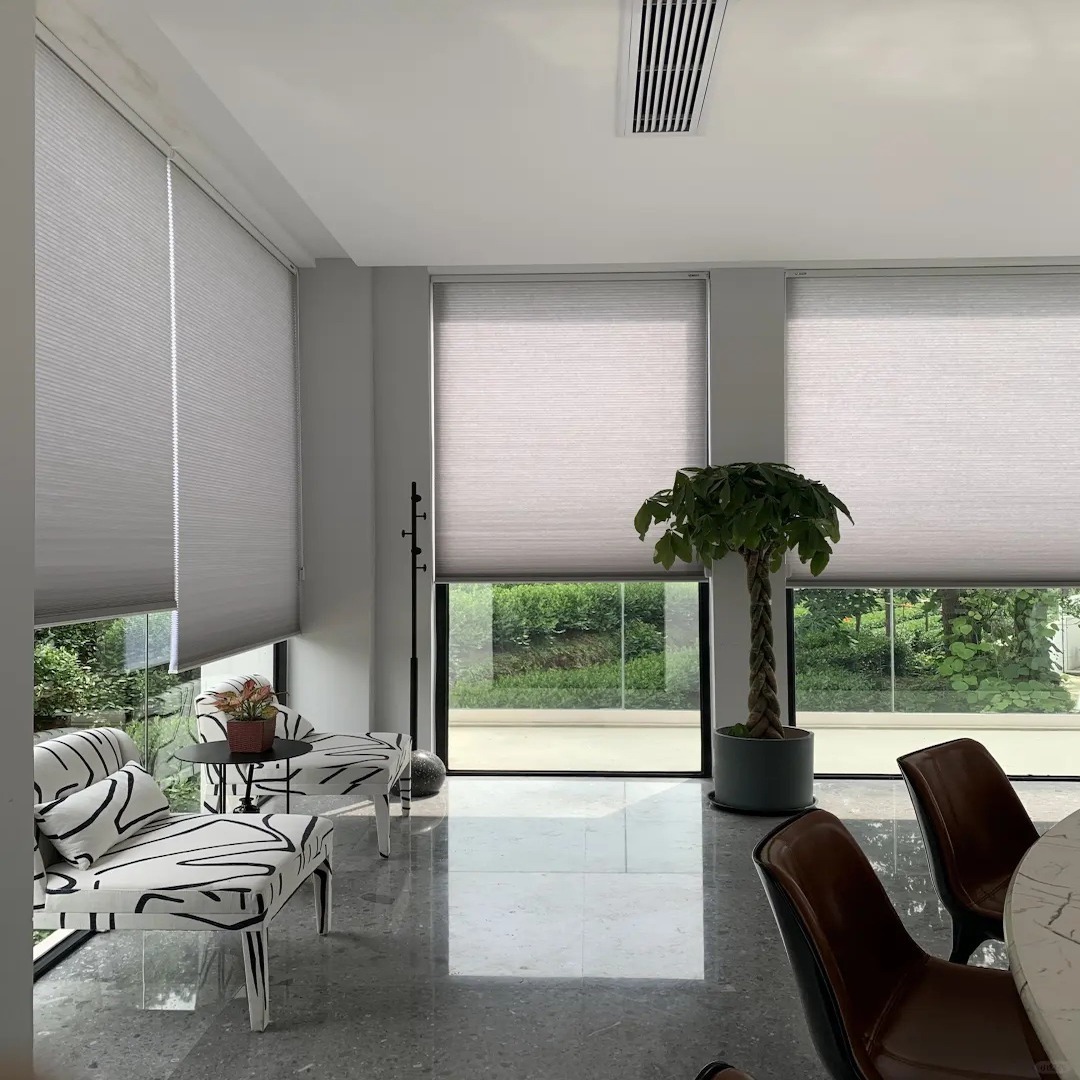
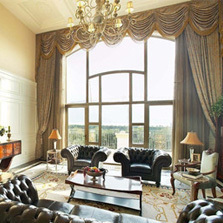
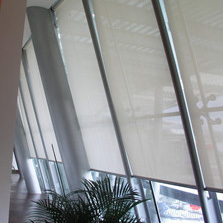
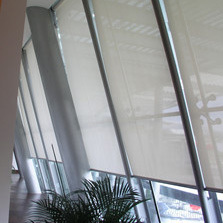
Internal shading and window shading facilities are also widely used. Sometimes, under the limitation of architectural modeling, the setting of internal shading and shading facilities is the only choice that must be taken.
The application of these shading facilities will undoubtedly reduce the heat of solar radiation, but there is no clear standard for how much to reduce and how to evaluate the effect of these shading measures.
The Design Standard for Energy Efficiency of Residential Buildings in Hot Summer and Cold Winter Areas stipulates that the area of external windows (including the transparent part of balcony doors) should not be too large, and the external windows should be provided with movable external shading. The Design Standard for Thermal and Air Conditioning Energy Efficiency of Tourist Hotel Buildings stipulates that the area ratio of standard floor window wall in main buildings should not be greater than 0.45, and the shading coefficient of external window glass in non-cold areas should be less than 0.60, or external shading measures should be taken; the "Civil Building Thermal Design Code" stipulates that the sun-facing surface of air-conditioned buildings, especially the east and west windows, should take effective shading measures such as heat reflective glass, various fixed and movable shading, etc. The "Heating Ventilation and Air Conditioning Design Code" stipulates that air-conditioned rooms should minimize the area of external windows and should take shading measures.
However, none of the above standards put forward the relevant definition and calculation method of shading coefficient.
Therefore, how to determine the shading coefficient, especially the comprehensive shading coefficient of many measures, is indeed a problem worthy of study, and it is also a problem that must be solved as soon as possible.
2 Definition of shading coefficient
2.1 load-dependent shading coefficient
Air conditioning load calculation is different from air conditioning energy saving calculation: load calculation is to calculate the peak value of solar heat gain, while energy saving calculation is to calculate the solar heat energy consumption throughout the summer.
In the load calculation, according to the calculation conditions given in the "heating ventilation and air conditioning design code", the sun shading coefficient can be calculated by the calculation of the solar altitude angle, azimuth angle and direct and scattering intensity.
The standard meteorological year is used for the calculation of energy saving, and the shading coefficient related to energy saving is only an equivalent value.
When calculating the air conditioning load, the heat flow through the window can be calculated by the following formula:
In the formula: Se-shading coefficient of window glass;
Sf -- shading coefficient of window frame;
Cw -- outer shading coefficient of window;
Cn -- inner shading coefficient of window;
DF-solar heat factor.
In this way, when calculating the air conditioning load, the definition of the shading coefficient is recommended as follows:
In the formula: S Z.F-the total (comprehensive) shading coefficient of the window related to the load.
2.2 the shading coefficient related to energy saving
The energy saving calculation of air conditioning is different from heating, because it is a dynamic method, so it can only be analyzed and calculated by dynamic calculation software. The shading coefficient changes with the change of the sun's position, and each moment is different, without a fixed value. The so-called shading coefficient related to energy saving is an equivalent value (or equivalent value), not a value that exists at a certain time. The shading coefficient related to energy saving can only be calculated according to the energy saving calculation to calculate a fixed "equivalent value".
In the calculation of energy saving, the definition of the comprehensive shading coefficient of the window is recommended as follows:
Where: S Z.E-comprehensive shading coefficient of window;
Se -- Covering coefficient of window glass;
Sf -- shading coefficient of window frame;
Mw -- external shading coefficient of window;
Mn -- inner shading coefficient of window.
In general, it is customary not to use internal shading as a measure to participate in energy conservation calculations, mainly because the government is not easy to control at the time of approval.
Contact Us
Email:
weiye123zheyang@163.com
Phone/WeChat:
+86 10-61427790/50
Address:
No.9 West, North Barracks Industrial Concentration Zone, Niulanshan Town, Shunyi District, Beijing, China
Beijing Welkin Tracery Sunshade Co, Ltd.
Contact number: +86 10-61427790/50
E-mail:weiye123zheyang@163.com
Fax: +86 10 61427750
Address: No.9 West, North Barracks Industrial Concentration Zone, Niulanshan Town, Shunyi District, Beijing, China
Zip Code: 101301

Public Account

Mobile Website
Beijing Welkin Tracery Sunshade Co, Ltd. | SEO Tags