




Interpretation of the role of architectural shading, requirements, design conditions, basic forms, advantages and disadvantages, design methods
2024-07-22

1. the role of architectural shading
1. Sunshade insulation and energy saving and environmental protection
Sunlight is essential to life and is the main source of energy. However, excessive sunlight radiation has different degrees of damage to the human body and household products. Excessive sunlight radiation will cause a large number of indoor heat accumulation, indoor temperature rises sharply, make people feel very uncomfortable, have to use air conditioning and other refrigeration equipment for a long time. Reasonable design of building shading products can effectively block the sun radiation, inhibit the indoor temperature rise, thereby reducing the energy consumption of indoor air conditioning, reducing greenhouse gas emissions, energy saving and environmental protection. Architectural shading can create a suitable indoor temperature environment and provide a comfortable indoor space.
2. Adjust the light
From the point of view of natural lighting, shading measures will block direct sunlight, prevent glare, make the indoor illumination distribution more uniform, and help the normal work of vision. For the surrounding environment, the sunshade can disperse the reflected light of the glass (especially the coated glass) of the glass curtain wall, avoiding the light pollution caused by the large area glass reflection. However, because the shading measures have the effect of blocking light, it will reduce the indoor illumination, which is more unfavorable in rainy days. Therefore, in the design of shading system to have full consideration, try to meet the requirements of indoor natural lighting. Excessive sunlight radiation will produce indoor glare, which has certain damage to human psychology and eyes, and seriously affects normal work and life. Reasonable window decoration shading system can effectively adjust the indoor light intensity and create a suitable light environment.
3. Decoration and beautification
All kinds of building outside sunshade and indoor window decoration sunshade products have a high value of decoration and beautification, which can beautify the building shape or indoor form to a certain extent. Increase the three-dimensional sense of the building, the sense of hierarchy and artistry, improve the grade of the building. Indoor can increase the indoor aesthetics and artistic atmosphere, increase fashion and modern sense.
4. Other roles
Sound insulation, anti-theft, privacy protection, ventilation, etc.
Requirements and Design Conditions for Sunshade of 2. Buildings
1. General requirements for building shading
Architectural sunshade is mainly used in the transparent part of the building envelope structure, which has control requirements for the sun's rays. Therefore, when designing and selecting sunshade technology for buildings, consideration should be given to the external doors and windows, sunshade facilities, etc. at the same time, and integrated design should be carried out. Reservation should be made in advance on the interface between technology and structure.
2. Design conditions of building shading
When the building has higher standard requirements, the following conditions meet 1 to 2 items should be taken to shade,:
(1) The indoor (outdoor) air temperature reaches or exceeds 29 ℃.
(2) indoor depth of sunlight> 0.5m.
(3) The indoor time of sunlight exposure is more than 1h.
Basic forms of shading in 3. buildings
1) Sunshade outside the building
Fixed external shading has three basic forms: horizontal shading, vertical shading and baffle shading. A. Horizontal shading. Can block sunlight from above the window. Suitable for south-pointing exterior windows. B. Vertical shading. It can block sunlight from both sides of the window. Suitable for C. Baffle shading. Able to block sunlight from reaching the window. Suitable for use close to east-west exterior windows. In practice, it can be selected separately or combined, and common ones are comprehensive shading, fixed louver shading, lattice shading, etc.
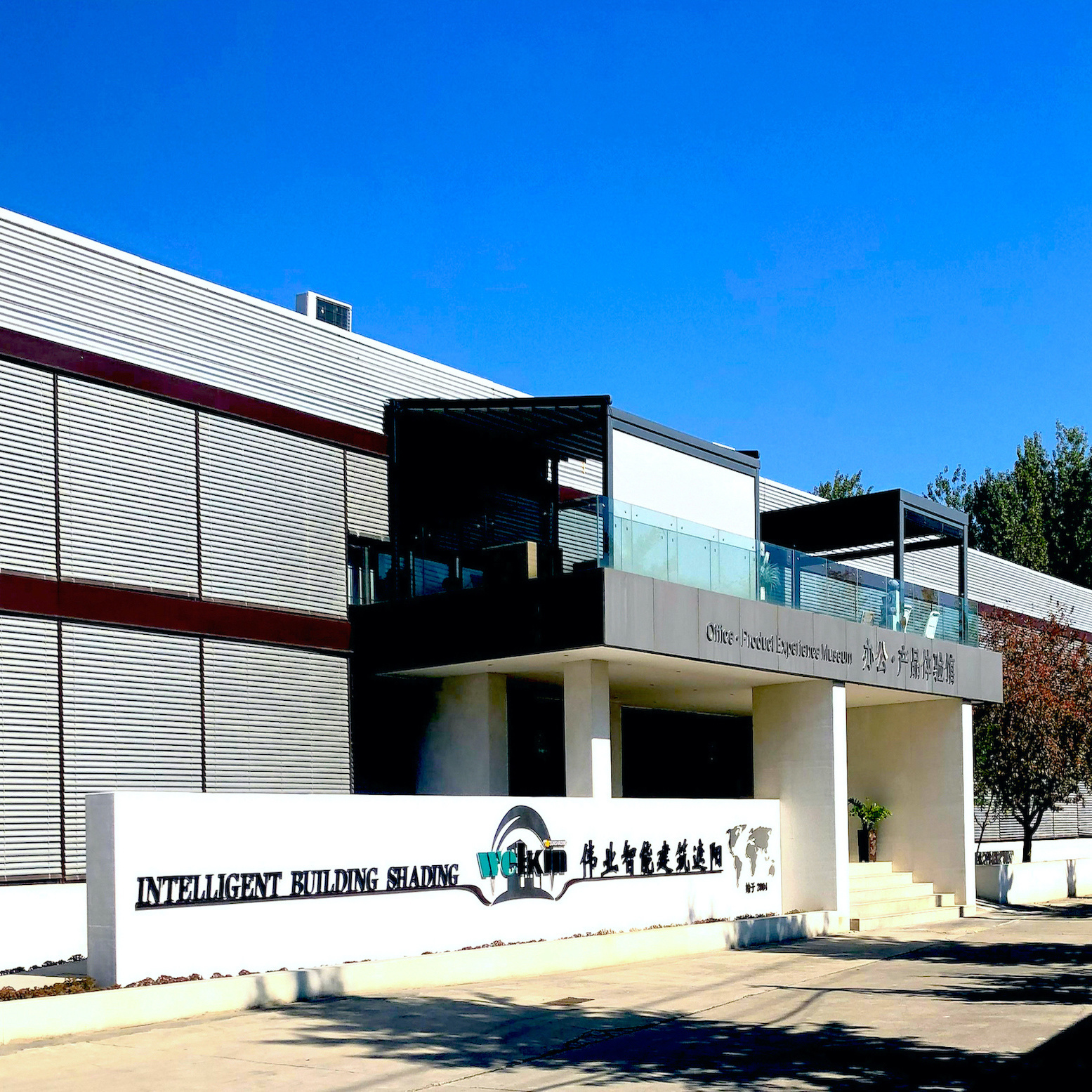
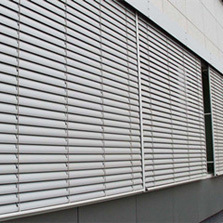
The external sunshade can freely control the working condition of the sunshade system according to the user's environmental change and personal preference. Form: sunshade roller shutter, movable shutter sunshade, awning, sunshade screen, etc.
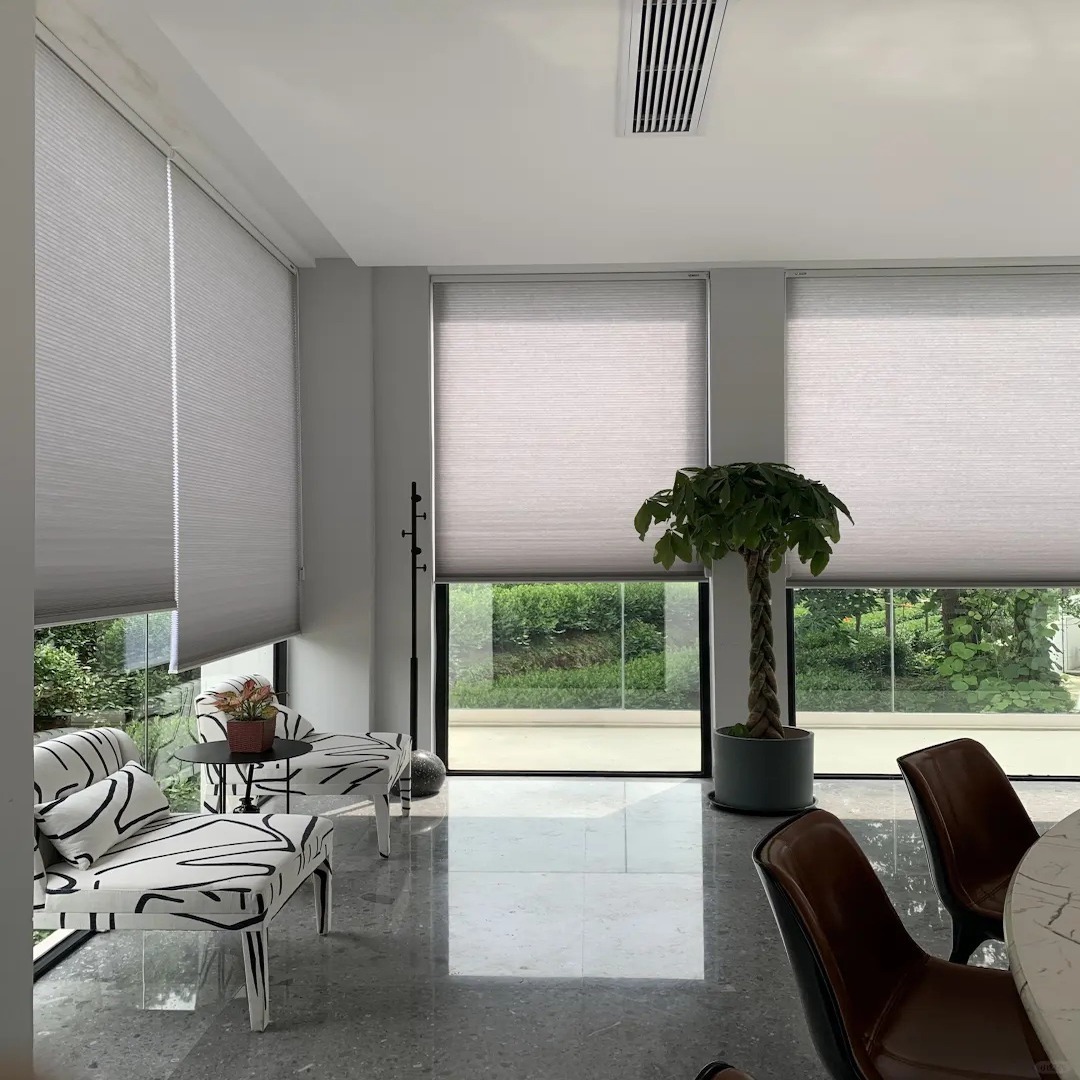
2) Shading in the building
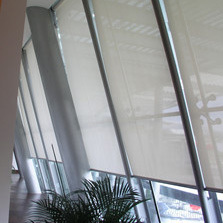
At present, the choice of curtains is mainly based on the personal preferences of residents to choose fabrics and colors, rarely taking into account the requirements of energy saving. Compared with external shading, curtain shading is more flexible, easier for users to adjust the appropriate opening mode according to seasonal weather changes, and less susceptible to external damage. The forms of internal shading are: blinds, blinds, drawing curtains, roller blinds, etc. Materials are varied, there are cloth, plastic, metal, bamboo, wood and so on. Within the shade also has insufficient place. When the use of internal shading, solar radiation through the glass, so that the inner shade itself heated. This part of the heat
In fact, it has entered the room, and a large part of it will increase the temperature of the room through convection and radiation.
3) Glass self-shading
Glass self-shading uses the shading performance of the window glass itself to block part of the sunlight into the room. The shading performance of the glass has a great influence on energy saving, and the glass with small shading coefficient should be selected. The common glass with good sunshade performance are heat-absorbing glass, heat-reflecting glass, and low-e glass. These kinds of glass have low shading coefficient and good shading effect. It is worth noting that the first two kinds of glass have different degrees of influence on lighting, while the low-emissivity glass has good light transmission performance. In addition, when using glass for shading, the windows must be closed, which will have a certain impact on the natural ventilation of the room, so that part of the heat trapped in the room cannot be dissipated. Therefore, although the shading performance of the glass itself is worthy of recognition, it must be combined with measures such as louver shading to complement each other.
4) Greening and shading
Greening shading can be achieved by planting trees at a certain distance outside the window, or by planting climbing plants outside the window or on the balcony to shade the wall, as well as roof gardens and other forms. Deciduous trees can provide shade in the summer, and evergreens can provide shade throughout the year. Plants can also reduce the reflection of the ground by evaporating the surrounding air. Evergreen shrubs and lawns are useful for reducing ground reflections and architectural reflections.
Advantages and Disadvantages of 4. Building Shading Methods
(1) External shading
Advantages: the solar radiation is directly blocked in the outdoor, shading, energy saving effect is good.
Disadvantages: Due to direct exposure to the outdoors, there are high requirements for the durability of materials and structures, and operation and maintenance are inconvenient.
(2) Intermediate shading
Advantages: easy to adjust, not easy to be contaminated or damaged.
Disadvantages: high cost, high maintenance cost, shading effect is not as good as external shading.
(3) Internal shading
Advantages: The direct light incident into the room is diffusely reflected, the solar radiation intensity is reduced, the indoor environment quality can be effectively improved, and glare is avoided. Not directly exposed to the outdoors, the durability of materials and structures is low, low cost, easy to operate and maintain.
Disadvantages: Only part of the solar radiation can be blocked, the blocking effect is not direct, and the effect of reducing the indoor temperature is poor compared with the external shading.
5. building window shading mode
1. Fixed window
There are three basic forms of fixed external shading: horizontal, vertical and baffle shading.
A. Horizontal shading. Can block sunlight from above the window. Suitable for south-pointing exterior windows.
B. Vertical shading. It can block sunlight from both sides of the window. Suitable for north-oriented exterior windows.
C. Baffle shading. Able to block sunlight from reaching the window. Suitable for use close to east-west exterior windows. In practice, it can be selected separately or combined, and common ones are integrated, fixed louver, flower grid shading, etc.
2. Activity window
Fixed sunshade will inevitably bring and lighting, natural ventilation, winter heating, vision and other aspects of the contradiction. The active sunshade can freely control the working condition of the sunshade system according to the user's personal hobbies and other needs. Form: sunshade roller shutter, sunshade activities and so on.
1) the use of window shade roller shutter is an effective measure, it is suitable for all facing windows. When the shutter is completely down, it can block almost all the solar radiation. At this time, the heat entering the outer window is only the part of the solar radiation energy absorbed by the shutter. If a glass with a small thermal conductivity is used, very little solar heat enters the window. In addition, the distance between the roller shutter and the window glass can be properly maintained, and the heat on the roller shutter can be taken away by natural ventilation, and the heat on the roller shutter can be effectively reduced to the indoor transmission.
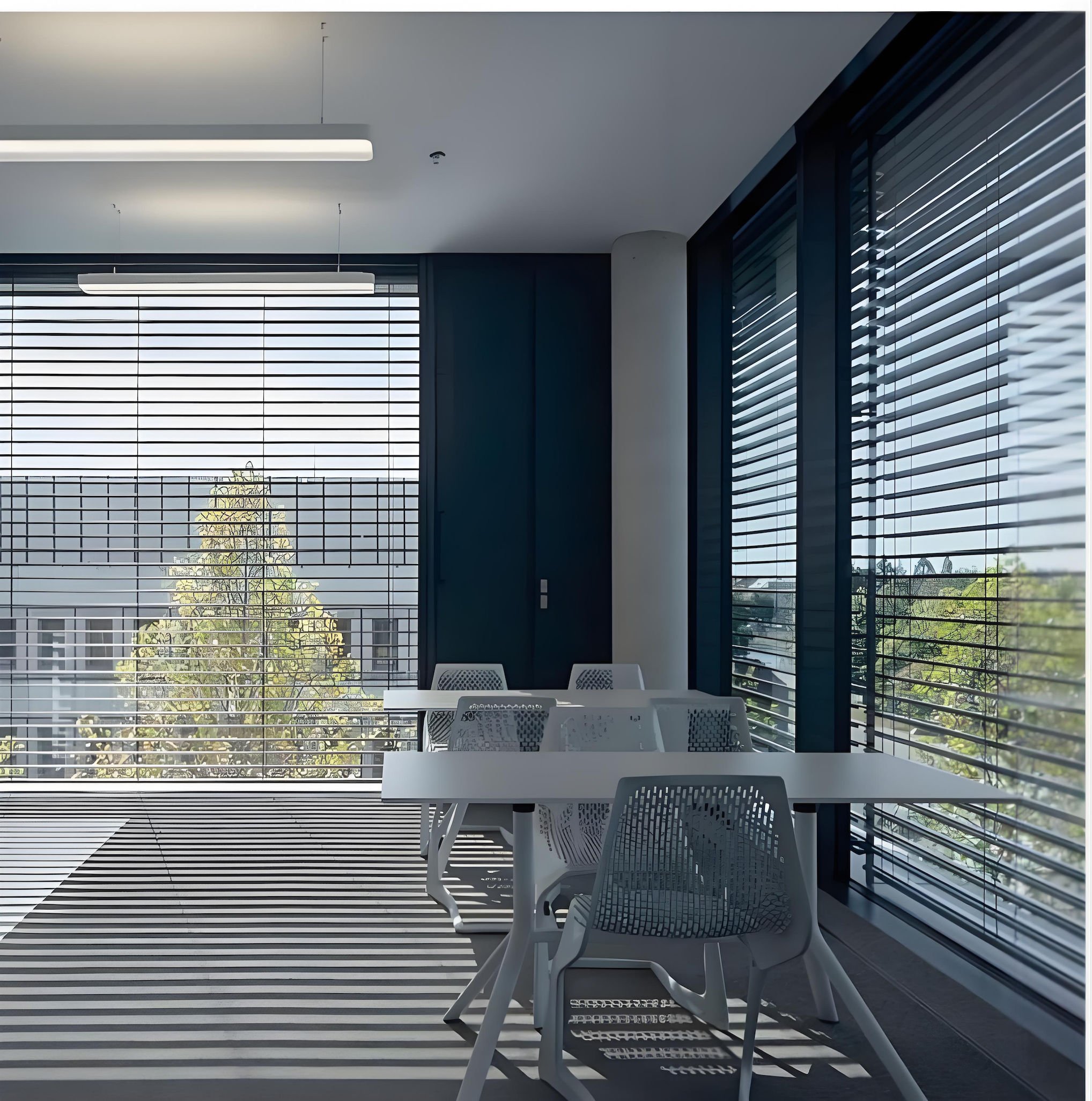
2) activity louver shade. There are lifting type venetian blinds and louver protection and other forms. The venetian blinds can be raised and lowered, and the angle can be adjusted to achieve a balance between shading and lighting and ventilation, so they have been widely used in office buildings and residential buildings. According to different materials, it is divided into aluminum venetian blinds, wood venetian blinds and plastic venetian blinds. The function of the louver is similar to the outer roller shutter, which is simpler in structure, generally in the form of push-pull or outer opening, and has been widely used abroad.
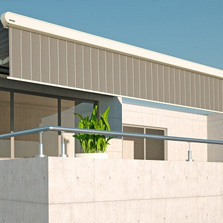
3) Awning. This kind of product is very common, everywhere, their installation is too messy.
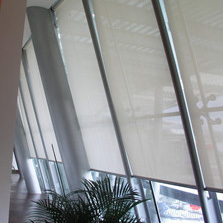
4) Shade screen. This kind of product can not only block the sunlight radiation, but also control the amount of visible light according to the material selection, prevent ultraviolet rays, and avoid the interference of glare. It is a product suitable for hot areas. The material of the screen is mainly glass fiber. With fire resistance, corrosion resistance, strong and durable.
Window center
The facilities of the window in the sunshade are usually located in the middle of the double glass, and the window frame and glass are combined into the whole window, which has a strong integrity and is generally produced and formed by the factory.
Inside the window
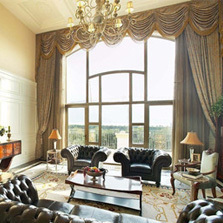
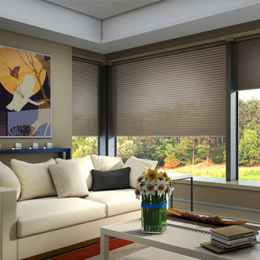
The choice of curtains is mainly based on the personal preferences of the residents to choose fabrics and colors, rarely taking into account the requirements of energy saving. Compared with other forms, curtain shading is more flexible, easier for users to adjust the appropriate opening mode according to seasonal weather changes, and is not easy to be damaged by the outside world. The sunshade products in the window are: blinds, vertical curtains, roller blinds, etc. Materials are varied, there are cloth, plastic (PVC), metal, bamboo, wood and so on.
Deficiencies:
When this form is used, solar radiation passes through the glass, heating up the interior curtain itself. This part of the heat has actually entered the room, and a large part of it will increase the temperature of the room through convection and radiation.
6. building sunshade products which is better
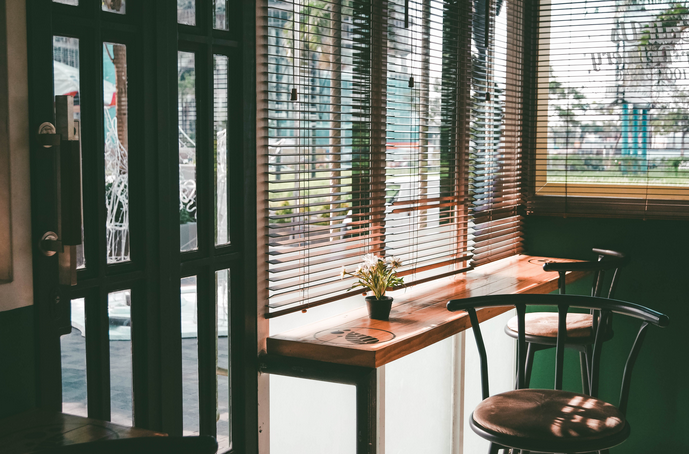
Economical and efficient sunshade series products
Economical and efficient sunshade series products include: fabric outer sunshade, sliding outer sunshade, louver sunshade and other products.
The fabric outer sunshade has the functions of light transmission, transparent view and temperature adjustment. Moderate price, high cost performance, suitable for low-rise, multi-storey building external shading. Sliding sunshade is suitable for any civil building, especially for areas with strong radiation and strong winds. The louver type sunshade controls the light by adjusting the angle of the curtain, and can be personalized according to the window opening. It is generally suitable for low-and medium-rise buildings.
Durable reinforced sunshade series products
Durable reinforced sunshade series products include fixed sunshade, wing sunshade, roller blind sunshade and other products.
Fixed sunshade is one of the traditional sunshade types, which is suitable for all kinds of buildings in areas with large solar altitude angle in summer. Wing-type sunshade is a new outdoor sunshade product. The angle of the blades is adjusted according to the angle of the sun, so as to achieve the ideal effect of sunshade dimming. The roller shutter sunshade has the functions of high-strength protection, dustproof, sound insulation, sunshade, heat preservation, etc., and is one of the popular architectural decorations in the world.
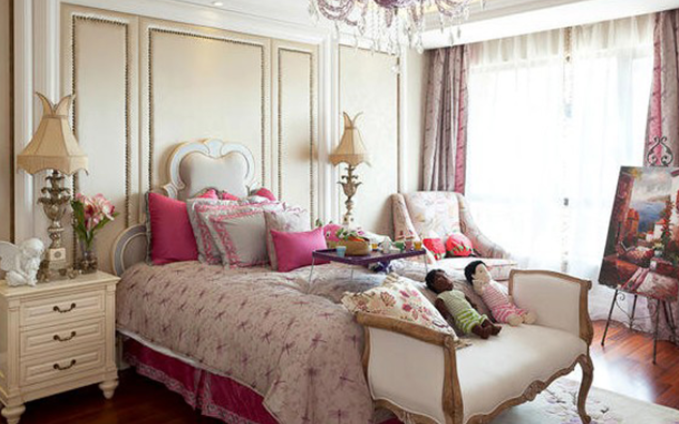
Flexible sunshade series products
Flexible sunshade series products include hollow louvers, ceiling curtains and internal sunshade.
The louver hollow sunshade is to install the louver in the hollow glass, and complete the functional action of the louver manually or electrically, and the operation is simple. The canopy curtain can isolate more than 80% of the direct sunlight in summer. The system shrinks freely and adopts various high-grade shading fabrics with light transmission to reduce lighting energy consumption. The energy-saving effect of the internal shading is poor compared with the external shading, but it is easy to install and use, and is widely used. It can also soften the indoor light and reduce the glare.
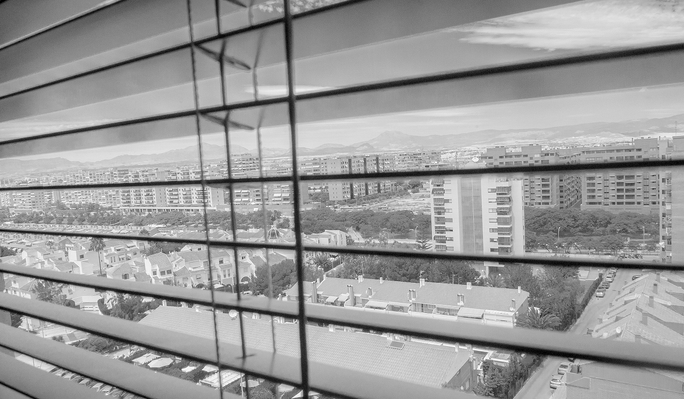
Innovative demonstration type sunshade series products
Economical and efficient sunshade series products include: fabric outer sunshade, sliding outer sunshade, louver sunshade and other products.
The fabric outer sunshade has the functions of light transmission, transparent view and temperature adjustment. Moderate price, high cost performance, suitable for low-rise, multi-storey building external shading. Sliding sunshade is suitable for any civil building, especially for areas with strong radiation and strong winds. The louver type sunshade controls the light by adjusting the angle of the curtain, and can be personalized according to the window opening. It is generally suitable for low-and medium-rise buildings.
Design Method of 7. Building Shading
Shading measures are mainly divided into three categories:(1) the use of green shading;(2) the combination of building components to deal with the window shading;(3) the special set of shading facilities.
use of greening
For low-rise buildings, green shading is an effective and economical and beautiful shading measure. Greening shading can be achieved by planting trees at a certain distance outside the window, or by planting climbing plants outside the window or on the balcony to shade the wall, as well as roof gardens and other forms. Deciduous trees can provide shade in the summer, and evergreens can provide shade throughout the year. Plants can also reduce ground reflection by evaporating the surrounding air; evergreen shrubs and lawns can also reduce ground reflection and architectural reflection.
Planting trees around the building
Planting trees at a certain distance around the building can provide effective window and wall shading for low-rise apartments. It is generally suitable to choose tall, wide branches, lush in summer and deciduous in winter. When using plants for window shading, care should be taken not to affect natural ventilation and lighting. In the direction of the dominant wind in summer, should not be planted too dense trees, such as large shrubs and trees, so as not to reduce the wind speed or even change the wind direction, resulting in natural ventilation blocked. In addition, the dense leaves should not be too close to the window, so as not to block the natural light.
roof greening
The roof garden, the insulation effect is remarkable, and the landscaping of the fifth facade is also intentional.
Wall greening
Green wall shading, the general choice of climbing Teng plants are such as creepers, morning glory, firecrackers and other climbing wall growth.
Combined building components
The basic form of shading can be divided into four types: horizontal, vertical, integrated and baffle.
horizontal type
This form of shading can effectively block the sunlight projected from above the window with a large altitude angle. Therefore, it is suitable for windows close to the south and windows near the north in low latitudes.
Vertical
The vertical sunshade can effectively block the sunlight from the window side with a small height angle. However, it does not have a blocking effect on sunlight with a large altitude angle and projected from above the window, or sunlight that is close to sunrise and flat on the window when the sun is out. Therefore, the vertical sunshade is mainly suitable for the windows near the northeast and northwest of the North River.
Integrated
The comprehensive sunshade can effectively block the sunlight with medium height angle and oblique from the front of the window, and the sunshade effect is relatively uniform. Therefore, it is mainly suitable for windows near the southeast or southwest.
baffle type
This form of shading can effectively block the sunlight of the ortho-window with a small height angle, so it is mainly suitable for windows near the east-west direction. In the design of shading, should be based on the climate conditions of the building area, the direction of the building, the use of the room function and other factors, comprehensive shading design, can be through the permanent building components, such as: the outer eaves corridor, balcony, outside the sun visor, etc., the production of permanent shading facilities.
Contact Us
Email:
weiye123zheyang@163.com
Phone/WeChat:
+86 10-61427790/50
Address:
No.9 West, North Barracks Industrial Concentration Zone, Niulanshan Town, Shunyi District, Beijing, China
Beijing Welkin Tracery Sunshade Co, Ltd.
Contact number: +86 10-61427790/50
E-mail:weiye123zheyang@163.com
Fax: +86 10 61427750
Address: No.9 West, North Barracks Industrial Concentration Zone, Niulanshan Town, Shunyi District, Beijing, China
Zip Code: 101301

Public Account

Mobile Website
Beijing Welkin Tracery Sunshade Co, Ltd. | SEO Tags